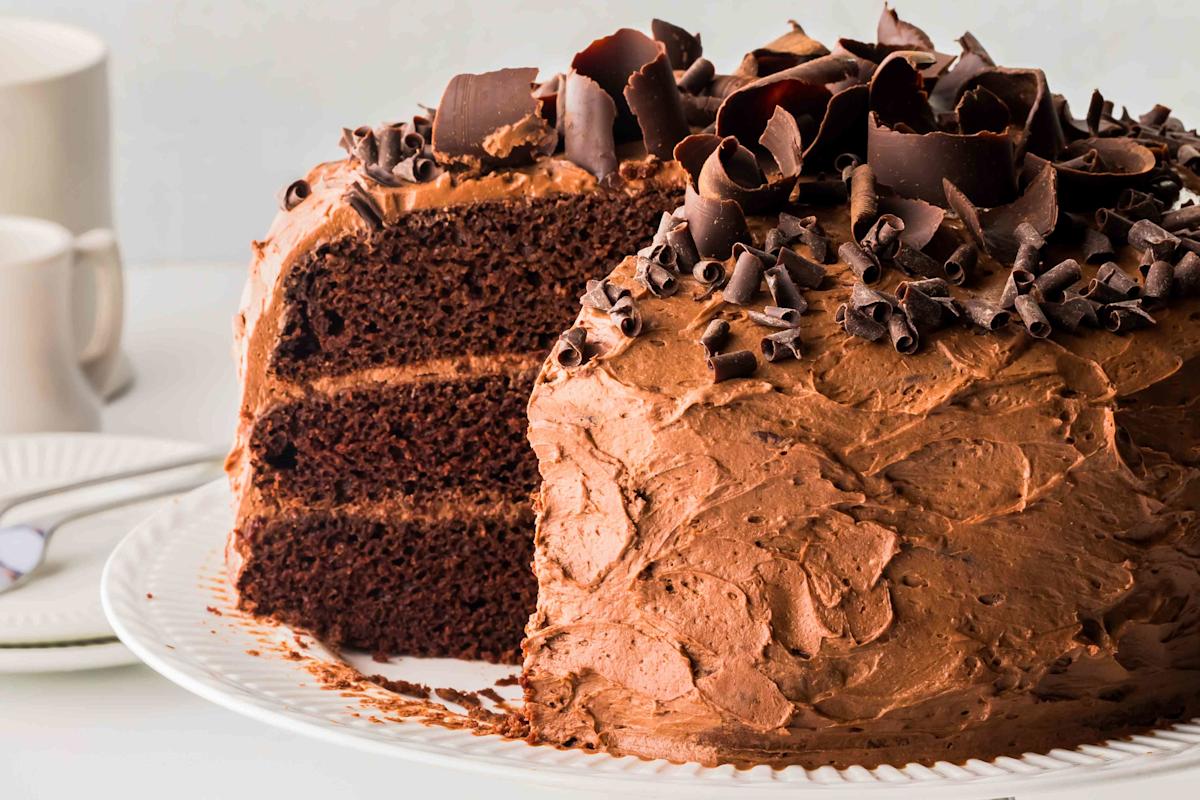
Unlock Rich Flavor: The Secret Ingredient for Moist Chocolate Cake
The pursuit of the perfect chocolate cake is a culinary quest many home bakers embark upon. We dream of a cake that's not just sweet, but profoundly chocolatey, incredibly moist, and wonderfully tender, melting in the mouth with every bite. Often, the reality falls short, yielding a dry, crumbly, or merely "okay" result. But what if we told you that achieving that heavenly chocolate cake experience is not only possible but surprisingly easy, thanks to a simple, often-overlooked secret ingredient? Forget complicated techniques or exotic components; the path to an extraordinary
easy chocolate cake begins with understanding a few fundamental principles and embracing one game-changing addition that amplifies richness and ensures unparalleled moisture.
For decades, master bakers have refined recipes, seeking that elusive balance of intense flavor and delicate texture. What emerges from this tradition are not necessarily complex formulas, but rather elegant solutions rooted in straightforward chemistry and a keen understanding of ingredients. This article will guide you through the process of creating a chocolate cake that will become your new go-to, impressing friends and family with its decadent flavor and luxurious crumb, all while demystifying the "secret" that elevates it from good to truly unforgettable.
The Quest for Unrivaled Moisture and Richness
A truly great chocolate cake is defined by two primary characteristics: its deep, authentic chocolate flavor and its moist, tender crumb. Many home bakers struggle to achieve both simultaneously. A cake can be rich but dry, or moist but lacking in profound chocolate notes. The key lies in understanding how ingredients interact and contribute to the final product.
Traditional recipes often rely on a combination of leavening agents like baking soda and baking powder, paired with acidic ingredients like buttermilk, to create a light and airy texture. This chemical reaction is crucial for preventing a dense, brick-like cake. Simultaneously, a generous amount of high-quality cocoa powder is essential for delivering that coveted intense chocolatey richness. However, cocoa powder, being dry, can sometimes contribute to a drier cake if not balanced correctly. This is where our secret ingredient comes into play, not only enhancing the chocolate but also contributing significantly to moisture and tenderness.
Modern recipes often emphasize simplicity, recognizing that a fuss-free approach can yield spectacular results. Many beloved homemade chocolate cake recipes, some even dating back to the 1940s, prioritize common kitchen staples and straightforward techniques. This ease of preparation, often requiring just one bowl for mixing, proves that you don't need a culinary degree to bake an exceptional dessert. The goal is to create an unfussy yet decadent experience for both novice bakers and seasoned veterans.
Unveiling the Secret Ingredient: A Coffee Lover's Dream
Prepare to have your perception of chocolate cake transformed. The secret ingredient that will elevate your chocolate cake to unprecedented levels of richness and moisture is **hot brewed coffee**. While it might sound unconventional, and you might fear your chocolate cake will taste like a mocha, rest assured – its magic lies in amplification, not alteration.
Here’s why coffee is the unsung hero of the best chocolate cake recipes:
* **Flavor Amplification:** Coffee doesn't add a distinct coffee flavor to the cake (unless you use a *very* strong brew in large quantities). Instead, it dramatically enhances and deepens the existing chocolate flavor. Think of it like a flavor enhancer, similar to how a pinch of salt makes sweet foods taste sweeter. The chemical compounds in coffee, particularly its acidity, react with the cocoa powder, "blooming" its flavor and unlocking a more intense, complex, and profound chocolate profile than hot water ever could. If you're serious about chocolate, this is a non-negotiable step.
* **Moisture Contribution:** Using hot liquid in a chocolate cake batter serves multiple purposes. Firstly, it helps to dissolve the cocoa powder and sugar more effectively, creating a smoother, more homogenous batter. Secondly, hot liquids create a more tender crumb by gelatinizing starches in the flour differently than cold liquids, resulting in a cake that stays moist for days. When that hot liquid is coffee, you get the double benefit of enhanced flavor and superior moisture.
* **Balancing Act:** The slight bitterness of coffee can also help to balance the sweetness of the sugar, preventing the cake from being cloyingly sweet and allowing the true chocolate notes to shine through.
When incorporating coffee, you don't need gourmet espresso. A standard cup of hot brewed coffee will do the trick. You can even use instant coffee granules dissolved in hot water for convenience. The key is that it's *hot* when added to the cocoa. This simple switch is arguably the most impactful change you can make to your
ultimate go-to chocolate cake recipe.
Beyond the Secret: Essential Ingredients for a Flawless Chocolate Cake
While coffee might be the secret weapon, a perfect chocolate cake relies on a symphony of high-quality, balanced ingredients. Understanding the role each plays is crucial for consistent success.
* **All-Purpose Flour:** This forms the cake's structure. Opt for a good quality all-purpose flour. It provides the necessary gluten structure for a tender, moist crumb without making the cake too dense.
* **Sugar:** Granulated sugar sweetens the cake and helps tenderize it. For frostings, powdered sugar is essential for its fine texture, dissolving easily to create a smooth, fluffy buttercream.
* **Cocoa Powder:** This is where the chocolate magic happens. Always use *unsweetened* cocoa powder for the cake batter, as there's plenty of sugar already. You have two main choices:
* **Natural Cocoa Powder:** Lighter in color, more acidic. It reacts strongly with baking soda, producing a lighter, fluffier cake.
* **Dutch-Process Cocoa Powder:** Darker in color, less acidic (neutralized with an alkali). It produces a darker, milder chocolate flavor and works best with baking powder or a combination of both leavening agents. Both can create delicious results; choose based on your desired depth of color and specific recipe's leavening.
* **Leavening Agents (Baking Soda & Baking Powder):** These are the dynamic duo responsible for the cake's lift and tenderness. Baking soda requires an acidic ingredient (like buttermilk or natural cocoa) to activate, while baking powder is a complete leavener that contains its own acid. A good recipe often uses both to achieve optimal rise and a delicate crumb.
* **Buttermilk:** This acidic dairy product is a game-changer for moisture and tenderness. Its acidity reacts with baking soda to create carbon dioxide gas, which helps the cake rise. Beyond that, buttermilk adds a subtle tang and keeps the cake incredibly moist and soft, contributing to that desirable "light and tender" quality. If you don't have buttermilk, you can make a substitute by adding a tablespoon of lemon juice or white vinegar to regular milk and letting it sit for 5-10 minutes.
* **Eggs:** Provide structure, richness, and moisture. They also act as an emulsifier, helping to bind the fats and liquids together.
* **Oil or Butter:** Fats contribute richness, flavor, and moisture. Many recipes use oil for a consistently moist crumb, while butter adds a deeper, richer flavor profile.
Crafting Your Chocolate Masterpiece: Tips for Success
Even with the best ingredients and a secret weapon, proper technique ensures a flawless outcome every time.
1. **Read the Recipe Thoroughly:** Before you begin, read the entire recipe. Understand the steps and gather all your ingredients.
2. **Measure Accurately:** Baking is a science. Use proper measuring cups and spoons. For flour and cocoa, spoon it into the measuring cup and level it off with a straight edge; don't scoop directly from the bag, as this can compact the ingredients and lead to a dry cake.
3. **Room Temperature Ingredients:** Unless otherwise specified, ensure eggs and buttermilk are at room temperature. This helps them emulsify better with other ingredients, resulting in a smoother batter and a more uniform cake texture.
4. **Don't Overmix:** Overmixing develops the gluten in the flour too much, leading to a tough, dense cake. Mix just until the ingredients are combined. A few small lumps are better than a perfectly smooth, overmixed batter.
5. **Pan Preparation:** Grease and flour your pans thoroughly, or line them with parchment paper. This prevents sticking and ensures your beautiful cake releases easily.
6. **Oven Temperature Matters:** Invest in an oven thermometer to ensure your oven is truly at the temperature you set. Incorrect oven temperatures are a common cause of baking failures.
7. **Don't Open the Oven Door Too Soon:** Resist the urge to peek during the first two-thirds of the baking time. A sudden drop in temperature can cause the cake to fall.
8. **Test for Doneness:** A cake is typically done when a wooden skewer or toothpick inserted into the center comes out clean or with a few moist crumbs attached.
9. **Cool Properly:** Allow the cake to cool in the pans on a wire rack for 10-15 minutes before inverting it onto the rack to cool completely. Cooling completely before frosting prevents the frosting from melting.
10. **Versatility is Key:** This foundational recipe can be adapted to your needs. Divide the batter between two round pans for an impressive layer cake, bake it in a single sheet pan for a crowd-pleasing dessert, or transform it into 30 delicious cupcakes for a party. Top it with a simple dusting of confectioners' sugar or whip up a luscious chocolate buttercream frosting for the ultimate indulgence.
Conclusion
The journey to baking an exceptionally moist, rich, and tender chocolate cake doesn't have to be daunting. By embracing the power of hot brewed coffee as your secret ingredient, understanding the roles of quality components like buttermilk and cocoa, and following a few straightforward baking principles, you can consistently achieve results that rival professional bakeries. This unfussy, versatile recipe, built on a foundation of time-tested techniques, promises a truly decadent experience that will delight your senses and cement your reputation as a master baker. So go ahead, unlock that profound chocolate flavor, and savor every moist, tender crumb of your homemade masterpiece.